FAQ
FAQ
All About Omega-3s: Foods, Health Benefits and More
Article posted in: Diet & Nutrition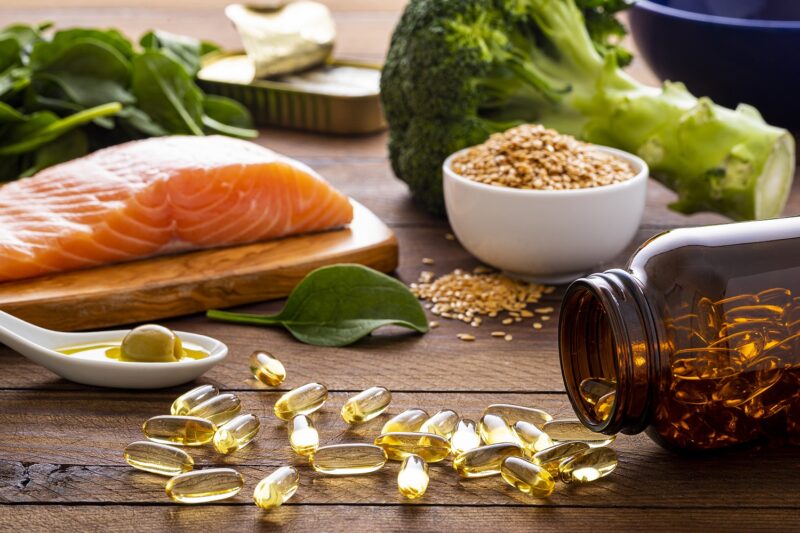
Do you suffer from fear of fatty foods? If you’re trying to lose weight—particularly if you’ve been trying for a long time—you might find it hard to accept that not all fatty foods are bad. Shudder! Sounds like blasphemy, doesn’t it?
The truth is, some of them are really good for you and you should be eating more, not less of them. For example, you can’t live without something called essential fatty acids. These include omega-3 and omega-6 fatty acids. Note that word, “essential.”
Omega-3 vs. Omega-6
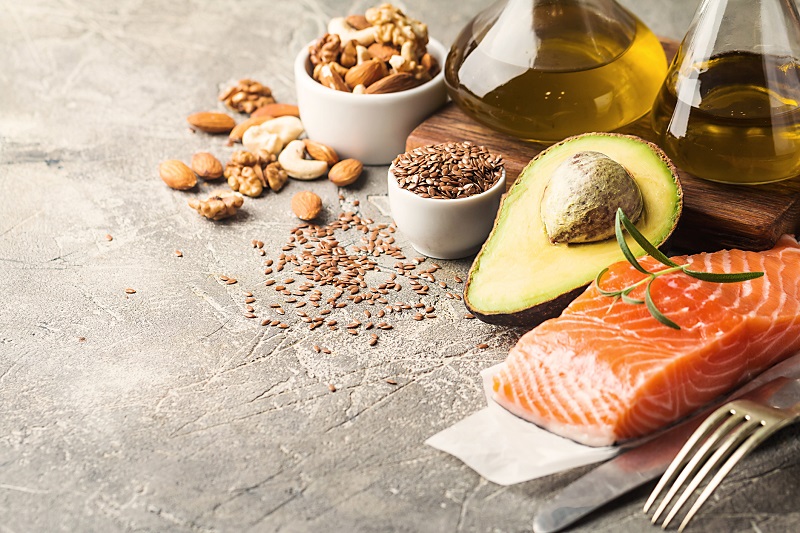
Omega-3 and omega-6 fatty acids are the best known of the essential fatty acids, or EFAs. Your body can’t synthesize them so you need to get them from your diet or from supplements.
Of the two, omega-3 is the one to which you probably have to pay the most attention to. The typical American diet tends to be rich in omega-6s and lacking in omega-3s. The result: High levels of dietary omega-6s may trigger the body’s inflammatory response that plays a role in diseases as varied as arthritis to obesity. However, some experts want more human studies on the subject before concluding that omega-6s are linked to inflammation.
If you eat a lot of processed foods, many of the omega-6s in your diet probably come from vegetable and seed oils—corn, sunflower, soybean—and vegetable shortening. You’ll also find them in mayonnaise and some nuts.
Types of Omega-3 Fatty Acids
The three main types of omega-3 fatty acids are alpha-linolenic acid (ALA), eicosapentaenoic acid (EPA) and docosahexaenoic acid (DHA). ALA is found in plant-based sources. According to Medical News Today, “The body can convert ALA to EPA and DHA, but the conversion rate is less than 15%. Therefore, people may need to consume more of these to get enough omega-3s.”
Omega-3 Foods and Supplements

Fish and Seafood
To keep the damaging effects of omega-6 at bay, you need to balance out your diet with foods rich in omega-3s, such as fish and seafood. These contain EPA and DHA. Fatty cold-water fish like salmon, mackerel, tuna and sardines are among the best sources. Fish and seafood are considered PowerFuels on the Nutrisystem weight loss plan.
The US Food and Drug Administration recommends that we eat up to 12 ounces of fatty fish a week. Of course, the problem with fatty fish—in fact, most fish—is that it can be tainted with chemicals such as mercury and other pollutants. What should you do?
The FDA says that since larger fish that eat smaller fish tend to build up more pollutants, avoid fish such as swordfish, shark, tilefish and king mackerel. Women who are pregnant or who can become pregnant, nursing mothers and children under 12 are advised to stick to the least polluted fish, such as salmon, canned light tuna, shrimp, pollack and catfish. If you don’t fall into any of those categories but are still concerned about mercury, stick to the same seafood. Though albacore is high in omega-3s, it also contains more mercury than light tuna, so keep your intake to less than six ounces a week.
Plus, you could also take a supplement. Less studied than food sources of omega-3, fish oil supplements are rich in omega-3.* However, Mayo Clinic says, “While generally safe, getting too much fish oil can increase your risk of bleeding and might affect your immune response. It’s not clear whether fish oil is safe for people who are allergic to seafood. Take fish oil supplements under a doctor’s supervision.”
Vegetarian Sources
So what if you don’t like fish of any kind, are vegetarian, or have a seafood allergy?
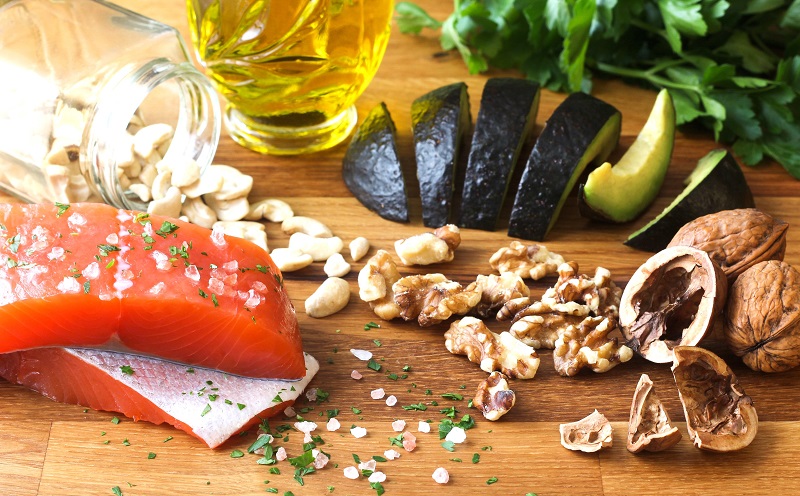
There are a few plant sources of omega-3s. According to The American Journal of Clinical Nutrition, ALA is “found mostly in plant foods such as flaxseed, walnuts, and vegetable oils, including canola and soybean oils.” However, some of these vegetarian sources, including walnuts and soybean oil, are also rich in omega-6s. Oils and nuts are either PowerFuels or Extras on Nutrisystem, depending on the serving size.
For vegetarians, algae oil can be a good substitute although it contains less omega-3 fatty acids than oil that comes from fish. Supplements made from only ALA aren’t a good substitute for fish or algae oil.
Omega-3 Health Benefits

The benefits of an omega-3-rich diet are still being studied, but much of the research has found them to be particularly healthy for your heart in several different ways. For example, they may:
- Reduce the amount of blood fats called triglycerides that can cause thickening of your artery walls and contribute to a condition called metabolic syndrome.
- Slow the build-up of plaque—hardened pieces of cholesterol and calcium—that can build up on artery walls and affect circulation.
- Prevent platelets from clumping together and forming clots that can travel to the heart or brain, causing a heart attack or stroke
- Potential benefits for cancer, depression, ADHD and inflammation.
People who eat an omega-3-rich diet may have a decreased risk of heart disease. Not only that, but if you do have heart disease, studies show that an omega-3-rich diet can reduce your risk of dying of heart attack or stroke. You’re also more like to have a better cholesterol picture: Omega-3 fats raise levels of HDL, the good form of cholesterol. They also may help to lower blood pressure.
But it’s not only your heart that benefits from omega-3. Some studies have found that people who get omega-3s from their diet or from supplements* may have lower rates of breast and possibly colorectal cancer, though that connection is still under study. Also being investigated: a lower risk of Alzheimer’s disease in people who get their omega-3s from eating fish.
*Talk to your doctor before taking an omega-3 supplement. Some may have dangerous interactions with other drugs you’re taking and in high doses can increase your risk of bleeding or stroke.